Exploring Cashback Integration Techniques Across Digital Shopping and Virtual Casino Environments
Finley Jenkins · Oct 1, 2026
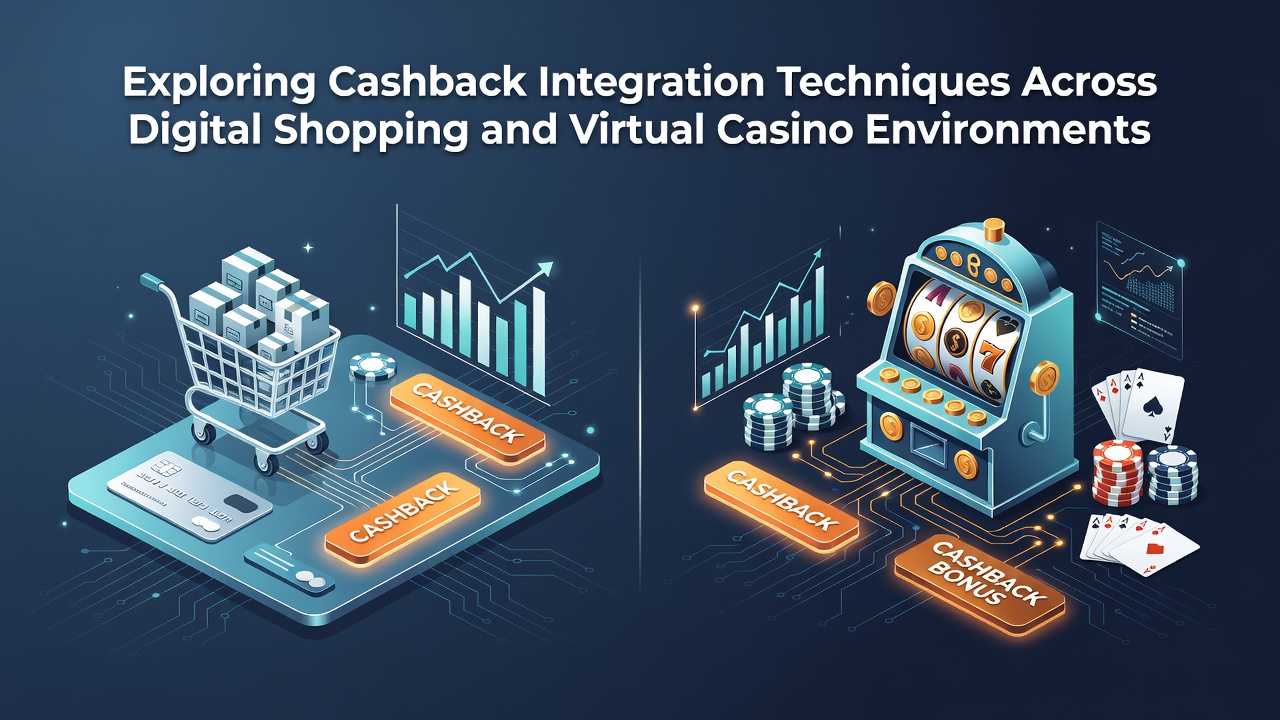
Exploring Cashback Integration Techniques Across Digital Shopping and Virtual Casino Environments
Digital shopping platforms and virtual casino environments have developed parallel systems for cashback rewards that now intersect through several technical and operational methods, and observers note that these intersections rely on shared data protocols, affiliate tracking networks, and consumer loyalty layers that operate across both sectors. Retail cashback often originates from credit card issuers, browser extensions, and merchant partnerships that return a percentage of purchases directly to user accounts or linked payment methods, while casino cashback typically functions through deposit bonuses, loss rebates, and tiered loyalty programs that credit players based on wagering volume or net losses. Integration techniques connect these streams when users apply shopping-derived cashback balances toward casino deposits or when casino operators partner with e-commerce networks to offer unified reward tracking.
Core Mechanisms in Retail Cashback Systems
Retail cashback programs collect transaction data through payment processors and partner APIs that record eligible purchases in real time, and companies such as Rakuten and TopCashback maintain databases that match user activity with merchant offers before issuing periodic payouts via PayPal or direct bank transfer. Data from industry reports indicate that as of October 2026, average cashback rates across major US and European platforms range between 1 percent and 5 percent for general merchandise, with higher tiers reaching 10 percent or more for specific categories like electronics or travel bookings. These systems depend on cookie-based attribution windows that last 7 to 30 days, allowing users to earn rewards even when they complete purchases after initial clicks from cashback sites.
Parallel Structures in Virtual Casino Cashback
Virtual casino cashback programs calculate returns using algorithms that track total wagers, game types, and loss ratios before applying percentage credits back to player accounts, and operators frequently set weekly or monthly caps to control liability while maintaining player engagement. Research from gaming industry associations shows that many platforms structure cashback as a loss-rebate model where 5 percent to 20 percent of net losses during a defined period return as playable funds or withdrawable cash, depending on the user's loyalty tier. These calculations run through backend management systems that integrate with payment gateways to verify deposits and withdrawals before finalizing reward distribution.
Technical Integration Approaches
One established technique involves unified payment rails where cashback earned in retail environments transfers directly into casino wallets through intermediary services that handle currency conversion and compliance checks, and this method reduces friction for users who maintain accounts across both domains. Developers implement these connections using secure APIs that transmit hashed user identifiers and transaction amounts without exposing full personal data, thereby satisfying data-protection requirements in multiple jurisdictions. Another approach relies on loyalty coalition programs that treat shopping and gaming activity as interchangeable contribution points, allowing participants to accumulate status in a single program that unlocks benefits in either setting.
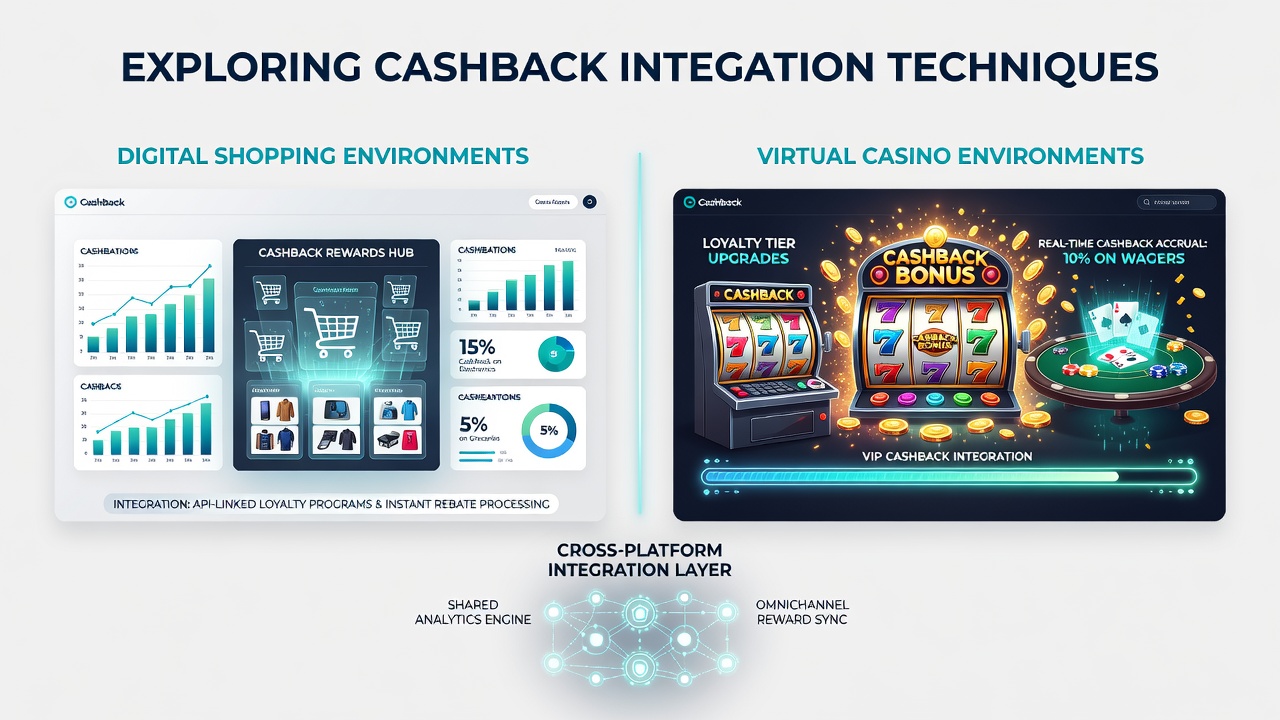
Platform operators also deploy browser extensions and mobile SDKs that detect eligible transactions in both shopping and casino apps before routing reward data to a central ledger, and this real-time synchronization enables users to see combined balances without manual intervention. Studies conducted by academic researchers at institutions in Canada and Australia reveal that such integrated ledgers improve retention metrics by linking everyday purchases with entertainment spending patterns. Regulatory frameworks in the European Union adn select Asian markets require these integrations to include clear audit trails so that users can verify how each cashback unit originates and converts across environments.
Data Tracking and Attribution Models
Attribution models determine which cashback source receives credit when a transaction occurs through multiple channels, and sophisticated platforms apply last-click or multi-touch algorithms that weigh the influence of shopping portals versus casino referral links. Figures released by the American Gaming Association indicate that integrated tracking systems have expanded participation rates in combined reward schemes by measurable margins since 2024, with particular growth in mobile-first implementations. Observers note that these models must accommodate differing tax treatments, since retail cashback often counts as a discount while casino rewards may fall under gambling income rules depending on the jurisdiction.
Security and Compliance Considerations
Security protocols for integrated cashback systems incorporate end-to-end encryption and tokenization to protect transaction details during transfer between retail and casino environments, and compliance teams regularly audit these flows against standards set by bodies such as the European Gaming and Betting Association. Multi-factor authentication and device fingerprinting further reduce unauthorized access, while automated monitoring flags unusual patterns that could indicate bonus abuse or money laundering attempts. Those who manage these platforms report that maintaining separate ledgers for each vertical, even within a unified interface, simplifies regulatory reporting and user dispute resolution.
Conclusion
Cashback integration across digital shopping and virtual casino environments continues to evolve through API connections, unified loyalty structures, and refined attribution techniques that link transaction data from both sectors. Current implementations rely on established payment and tracking infrastructure to deliver rewards while meeting regulatory standards in multiple regions, and ongoing developments focus on improving synchronization speed and transparency for participants. As these methods mature, the underlying data architecture determines how effectively rewards move between everyday commerce and entertainment platforms without compromising security or compliance requirements.