Seasonal Variations in Promo Code Effectiveness for Retail Purchases and Casino Engagements
Parker Carter · Oct 15, 2026
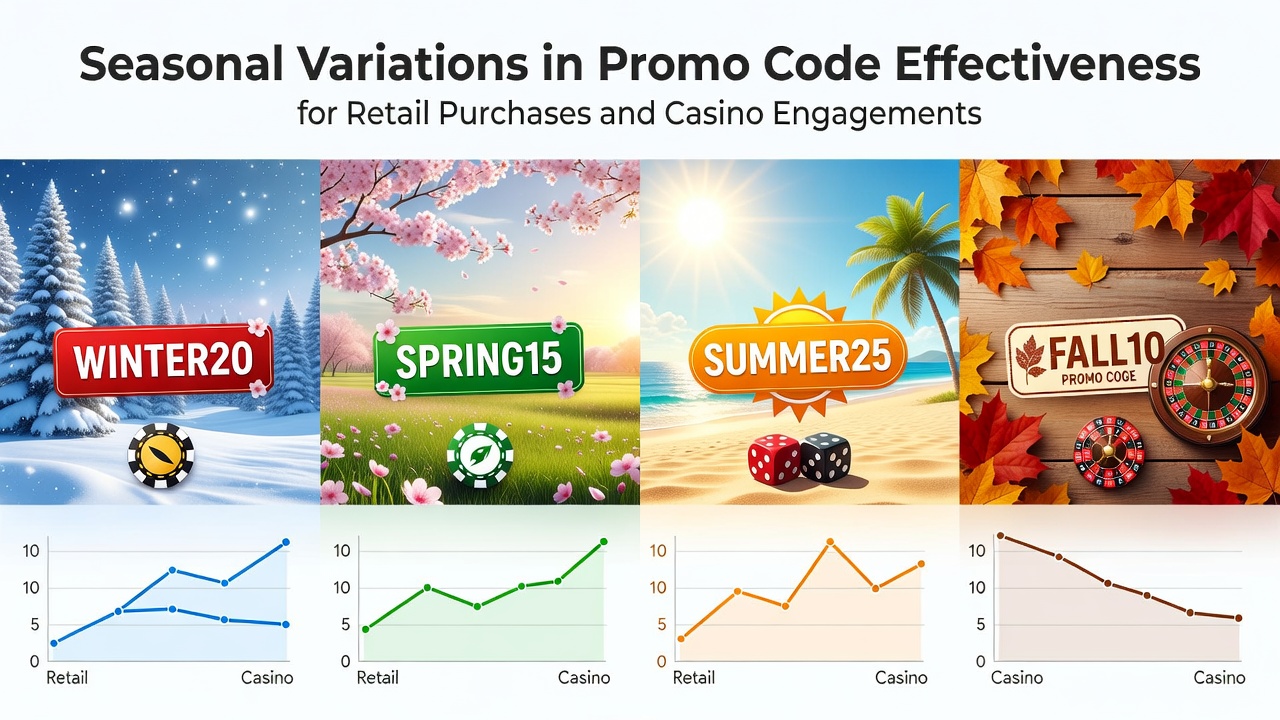
Seasonal Variations in Promo Code Effectiveness for Retail Purchases and Casino Engagements
Retail and casino sectors both show measurable shifts in how promo codes perform depending on the time of year, with data from sales records and engagement metrics revealing consistent patterns across multiple regions. Shoppers tend to respond differently to discount codes during peak holiday periods compared to slower months, while casino players exhibit parallel changes when cashback offers and bonus codes align with major events or seasonal lulls. Analysts track these variations through transaction volumes and redemption rates that rise and fall in tandem with calendar cycles.
Retail Patterns Across Key Seasons
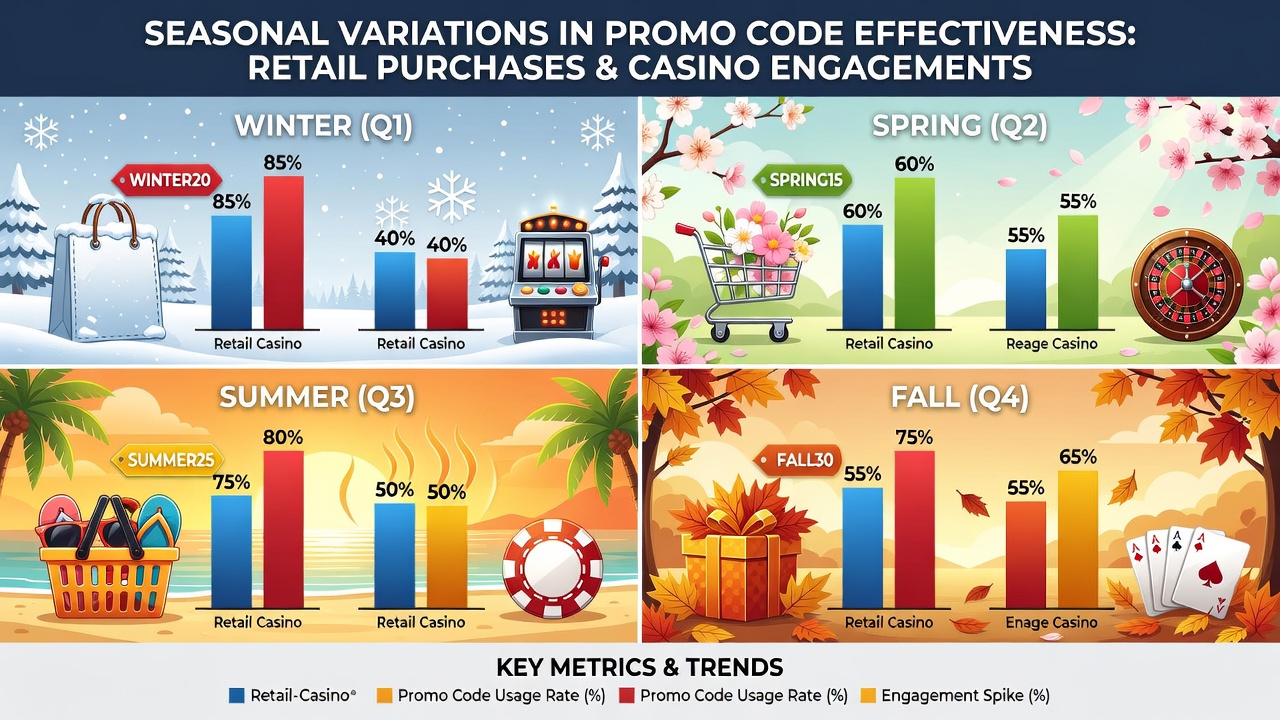
Back-to-school months bring heightened activity for clothing and electronics codes, since families stock up on supplies and devices before the new academic term begins, and retailers release targeted vouchers that expire within narrow windows. Summer months show different dynamics where travel-related retail sees stronger code usage for apparel and outdoor gear, whereas general merchandise codes perform more modestly outside specific promotions. Winter holiday seasons drive the largest spikes overall, with codes for gifts and home goods achieving redemption rates several times higher than baseline periods according to aggregated retail sales figures.
Those who monitor consumer behavior note that spring often functions as a transitional phase where clearance codes gain traction after winter inventory clears, and shoppers combine multiple offers more frequently during this window. October stands out in many datasets because fall fashion launches coincide with pre-holiday planning, creating conditions where codes tied to apparel and home improvement see elevated effectiveness before the heavier winter push arrives. As October 2026 approaches, similar timing patterns are expected to repeat based on historical transaction logs.
Casino Engagement Cycles and Code Performance
Casino platforms display their own seasonal rhythms where welcome bonuses and cashback codes convert at higher rates during major sporting events and year-end festivities, since player traffic increases when leisure time expands. Summer periods sometimes yield steadier but lower-volume redemptions for ongoing loyalty codes, while post-holiday months feature renewed interest as users seek entertainment value after gift spending. Data from regulatory filings indicate that code effectiveness in gaming environments correlates closely with disposable income cycles and event calendars rather than isolated marketing pushes.
One analysis of player activity across several jurisdictions found that codes tied to slot tournaments or table game incentives perform best when released near major holidays, whereas generic deposit matches maintain steadier uptake throughout the year. Observers point out that international players often align casino code usage with regional festivals, which creates overlapping demand spikes that operators track through geographic segmentation tools.
Interactions Between Retail and Casino Offers
Some users combine retail discount codes with casino cashback layers during overlapping seasonal windows, especially around major shopping events that coincide with gaming promotions. Transaction records show that individuals who redeem retail codes for electronics or apparel in November frequently extend activity into casino platforms when cashback offers appear shortly afterward. This layering becomes more pronounced during periods when both sectors release time-limited vouchers that share similar expiration structures.
Research from academic sources on consumer reward timing reveals that alignment of expiration dates across retail and gaming increases overall redemption volume, since participants plan their spending sequences in advance. Industry reports compiled by trade groups further document how operators adjust code values seasonally to maintain engagement when competing attractions such as summer travel or winter festivities draw attention elsewhere.
Evidence from Broader Data Sources
Figures from the U.S. Census Bureau demonstrate that retail sales volumes fluctuate predictably with seasonal code campaigns, while parallel information released by the Nevada Gaming Control Board tracks corresponding shifts in gaming revenue during identical calendar periods. These independent datasets together illustrate how promo code effectiveness in both domains responds to shared external factors like weather patterns, school schedules, and public holidays without requiring direct coordination between sectors.
Additional studies conducted by university research teams have examined redemption datasets spanning five-year intervals and confirmed that fall and early winter months consistently outperform summer baselines across both retail and casino categories. Geographic variations appear as well, with North American patterns differing slightly from European ones in timing but sharing the same directional trends tied to annual events.
Conclusion
Seasonal variations in promo code effectiveness emerge clearly when transaction data from retail and casino environments are examined side by side, showing that timing influences redemption rates in measurable ways. Retail codes tied to specific product categories rise and fall with consumer calendars, while casino offers follow parallel rhythms connected to leisure patterns and events. As new cycles unfold, including the period leading into October 2026, these established seasonal dynamics continue to shape how codes perform across both sectors.