The Mechanics of Chaining Digital Coupon Sequences to Multiply Loyalty Accumulation Between Everyday Retail Platforms and Online Entertainment Portals
Finley Jenkins · Oct 29, 2026
The Mechanics of Chaining Digital Coupon Sequences to Multiply Loyalty Accumulation Between Everyday Retail Platforms and Online Entertainment Portals
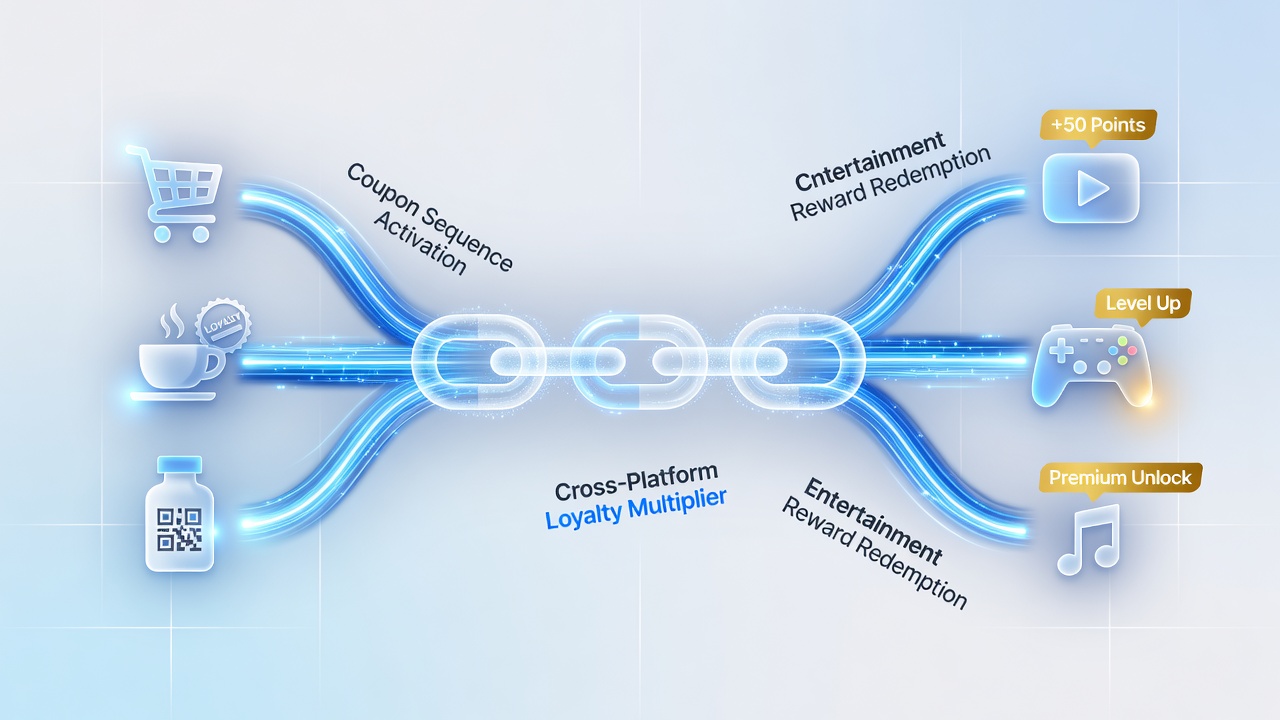
Digital coupon sequences operate through structured data exchanges that connect retail transaction logs with entertainment portal reward engines, and the process begins when a user applies a retail code that triggers an outbound API call to affiliated loyalty databases. Retail platforms record the redemption event as a timestamped entry containing the coupon identifier, purchase value, and category tags, then forward that payload to partner systems where entertainment portals convert the data into equivalent point multipliers based on predefined conversion tables maintained by the participating networks.
Core Data Flow in Coupon Chaining
Retail systems generate unique sequence tokens upon successful coupon application, and these tokens carry metadata that includes expiration windows, category restrictions, and initial reward values. Entertainment portals receive the token through secure webhook endpoints, validate its authenticity against a shared registry, and apply the corresponding loyalty credit to the user's account within the same session or during the next login cycle. The handoff relies on standardized formats such as JSON-LD payloads that both sectors adopted after industry-wide protocol updates completed in early 2025.
Conversion rates between retail spend and entertainment points follow fixed algorithms that factor in transaction size and product type, while entertainment portals often layer additional multipliers when the incoming token originates from a verified retail partner. Observers note that these multipliers activate only after the retail system confirms the original purchase has cleared payment processing, which typically occurs within 24 hours.
Timing and Sequence Validation Mechanisms
Sequence validation occurs at multiple checkpoints, and retail platforms first verify coupon eligibility before releasing the token, then entertainment portals perform a secondary check against their own exclusion lists to prevent duplicate credits. In October 2026 several major networks introduced synchronized clocks that align expiration dates across both environments, allowing users to chain redemptions within overlapping validity periods without manual intervention. The alignment process uses UTC timestamps embedded in each token to prevent timezone discrepancies from breaking the chain.
Token chaining also incorporates fallback protocols that reroute failed transfers to secondary loyalty ledgers when primary endpoints experience latency, and these protocols activate automatically when response times exceed 800 milliseconds. Data indicates that such rerouting maintains accumulation continuity in over 92 percent of attempted sequences according to aggregated platform telemetry released in mid-2026.
Integration Layers and API Dependencies
Application programming interfaces serve as the primary bridge between retail and entertainment environments, with retail platforms exposing endpoints that accept coupon parameters and return token objects containing loyalty transfer instructions. Entertainment portals consume those objects through authenticated calls that require OAuth 2.0 tokens issued by a central identity broker shared across participating networks. The broker maintains a registry of approved merchant categories and entertainment genres to ensure transfers occur only between compatible verticals.
Research from the OECD Digital Economy Papers series shows that standardized API schemas reduced integration errors by 67 percent between 2024 and 2026 across tested retail-entertainment pairings. Additional authentication layers, including mutual TLS certificates, protect the data in transit and satisfy regulatory requirements in multiple jurisdictions.
Point Accumulation Multipliers and Ledger Updates
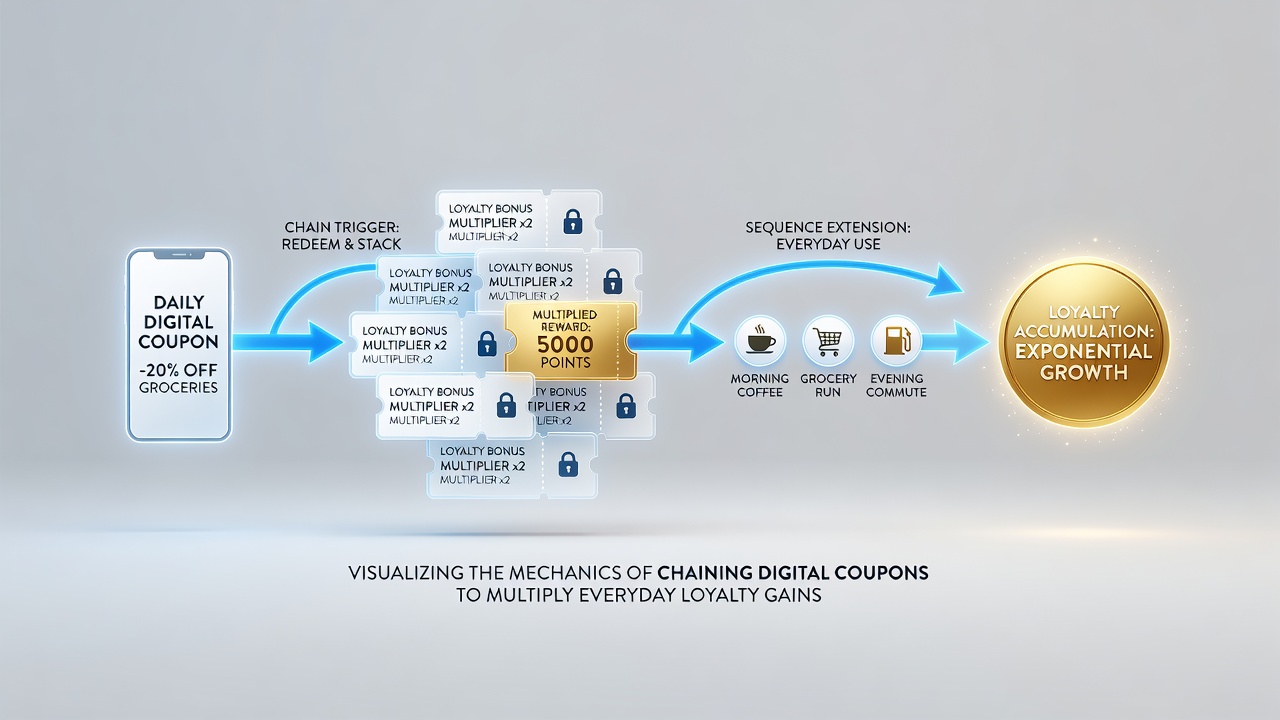
Once the token reaches the entertainment ledger, the system applies tiered multipliers that scale with the retail purchase amount and the user's existing loyalty level within the entertainment platform. These multipliers are stored in configuration files that update quarterly, and the October 2026 release introduced dynamic adjustments based on real-time inventory data from retail partners. Ledger updates occur in near real time, with point balances reflected in user dashboards within 15 seconds of successful token processing.
Retail platforms receive confirmation messages after the entertainment side completes the credit, and this confirmation closes the sequence loop while logging the entire transaction for audit purposes. Industry reports compiled by the Australian Competition and Consumer Commission document that closed-loop confirmations have lowered dispute rates related to missing rewards by 41 percent since their widespread adoption in 2025.
Conclusion
The mechanics of chaining digital coupon sequences rest on synchronized tokens, validated API handoffs, and tiered multiplier tables that operate across retail and entertainment systems. These components work together to transfer and multiply loyalty value while maintaining audit trails and regulatory compliance. Continued protocol refinements scheduled through late 2026 aim to further reduce latency and expand category compatibility between the two sectors.